It is no secret that the rare disease community has been positively influential on my post-diagnosis life, but I suppose how that came to be is still in the shadows. I’ve discussed participating in FARA events and clinical trials in past posts, and those are largely to thank for how I got connected and remain involved in the community today. That’s only part of the story, though.
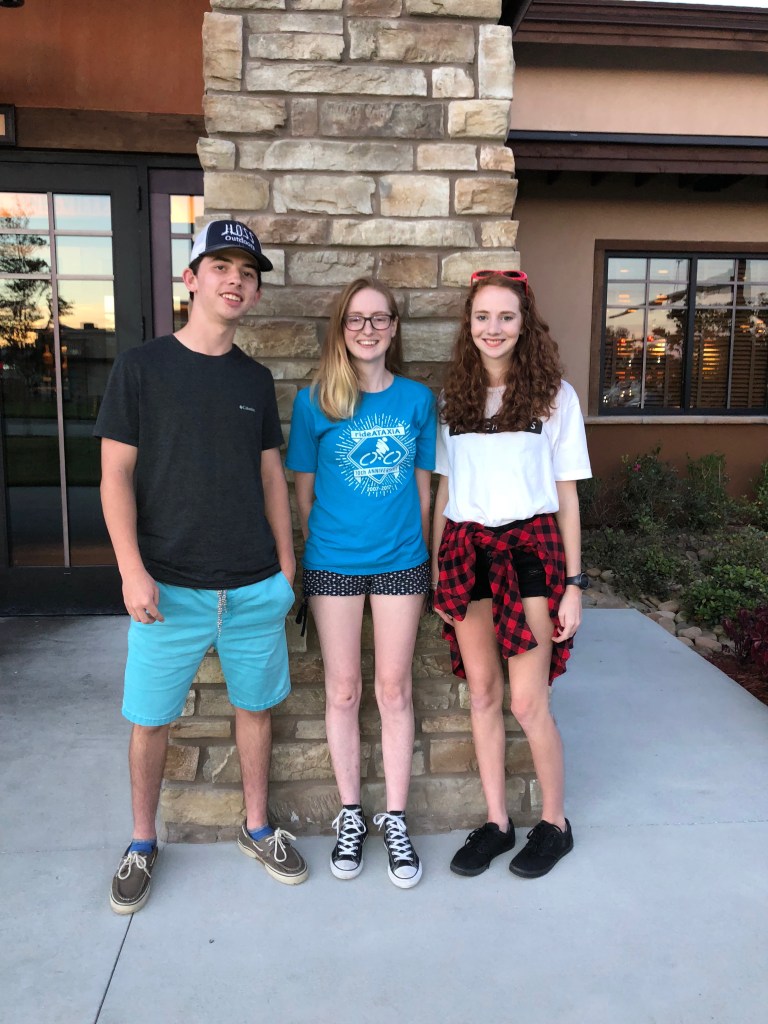
As I wrote in my last post, I joined a clinical trial in the summer of 2018 just months after my diagnosis of Friedreichs ataxia (FA). There, at the University of Florida, is where I met other people with FA (FAers) for the first time. At first, it was awkward, uncomfortable and kind of sad. I first met another girl who was also newly diagnosed; our body movements, gait and skinny frames mimicked each other. It was awesome but weird. We’re so alike… so what though? I thought.
Several of us met for dinner that night, and I was tucked in my shell like a turtle in a crocodile’s nest. I then met two others with FA – one who used a walker and one who was in a wheelchair. They were great, but I couldn’t help but think if I would really be like them soon? And how soon – a year, 5 years, 10 years?! Needless to say, I wasn’t so sure I wanted to be “one of them.” At least not yet. I was still normal enough and had able-bodied friends back home who liked me just fine.
The FAers I met at my trial got my contact info, and they asked if they could add me to a Snapchat group chat full of people with FA. I remember telling my mom I didn’t know if I wanted to join. She said, “You don’t have to say anything. Just let them add you.” That was great advice because I’m confident I wouldn’t be as immersed in the FA community today if I hadn’t joined that chat.
My master plan was to introduce myself and then go into ghost mode. But then others started to introduce themselves, and I realized they were just like me. Many loved sports and used to play, one guy told me he liked to fish too, and some went to high school and were the same age as me.
I was still hesitant, but as I began to add some of them individually and have conversations separately, they quickly broke down my walls. We made each other laugh, sent each other TikToks, and goofed around. But most of all, they understood feelings I had that none of my other friends did. That so what? was starting to click.
As I continued to form friendships with the people in our chat – “Lit FAm” – they told me about FARA (Friedreichs Ataxia Research Alliance) and fundraising events they had each year, and the next one was the Energy Ball in Florida. These were opportunities to meet with friends you’d connected with online, make new connections and help raise money for FA research. That’s exactly what I did when Dad and I flew down to Tampa in October 2019 for my first FARA event.
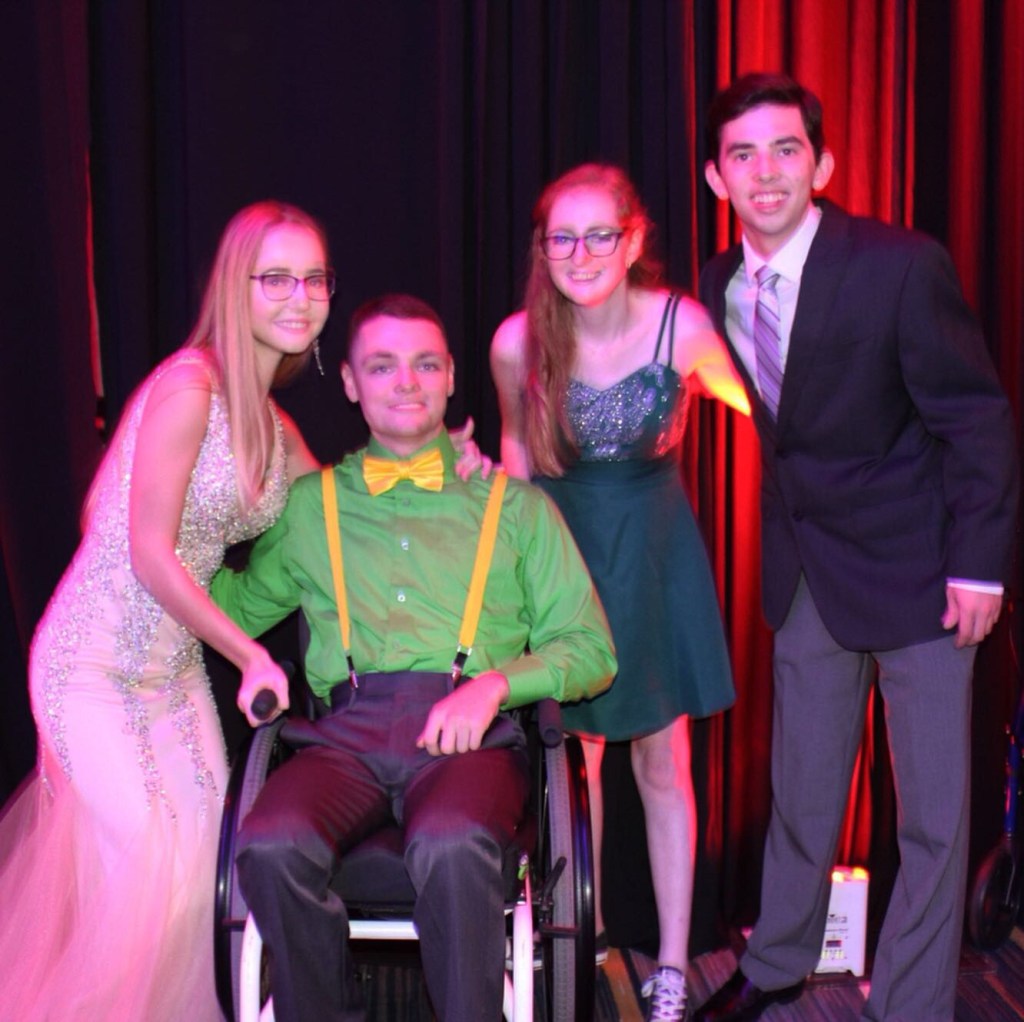
Shortly after, during my first semester of college, I attended my first RideAtaxia in Clearwater, Florida with both of my parents. As I previously wrote, I fell in love with adaptive biking at this event and made more connections in the FA community – including Kyle Bryant, the founder of RideAtaxia, who told me about the FARA patient ambassador program. It didn’t take me long to get on board with that and officially become a FARA ambassador at the beginning of 2020.
Ever since I became an ambassador, connecting with the FA community has been a vital part of my daily life. I’ve been in many FA group chats where we play video games, play fantasy sports and do FaceTime calls with each other. I participated in virtual fundraisers for FARA during the COVID pandemic in 2020, I attend ambassador meetings each month, go to 2-3 FARA events each year and even speak on patient panels to FA researchers and pharmaceutical companies that are trying to develop treatments for FA. I also work on several project teams in the ambassador program that help connect and strengthen the FA community as well as expand our mission through patient outreach.
Something I once did not want to be a part of is now one of the best things in my life. I was hesitant to jump into the ‘disabled’ umbrella, but if there’s one thing I could go back and tell myself then, I would say not to run away from a community that will always extend open arms towards me, unconditionally.
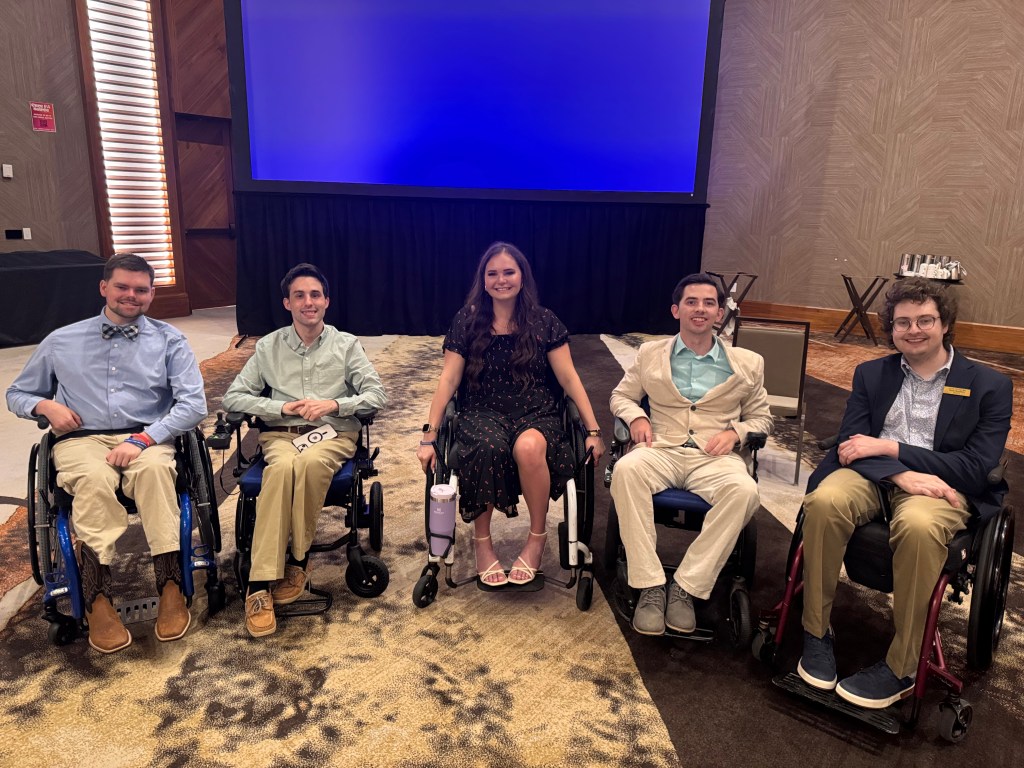
Just last week, I flew solo to attend my second ever Cure FA Soirée in Oklahoma City. A few years ago, solo travel would’ve seemed overwhelming, but now I know anytime I’m with the “FAmily,” I’m not alone. From the minute I arrive, a smiling face is there to pick me up from the airport, and a helping hand is never out of reach. Not only that, but I don’t feel like a burden asking for help or tagging along with another group or family while I’m there. Because I know I’m wanted. I know I belong. The FA community has given me so much more than I could ever give back – and yet I don’t feel that I’m in debt because who I am is enough. How refreshing that is!
Being a friend, mentor, and advocate to many people with FA is now one of my life’s greatest purposes & privileges. And I did nothing to earn it except having too many GAA repeats and too little of the frataxin protein. That’s just life though – one thing leads to another, and eventually you end up somewhere you never imagined you’d be. But you just might come to find it’s the best thing that ever happened to you.
 Knowin' Noah
Leave a comment