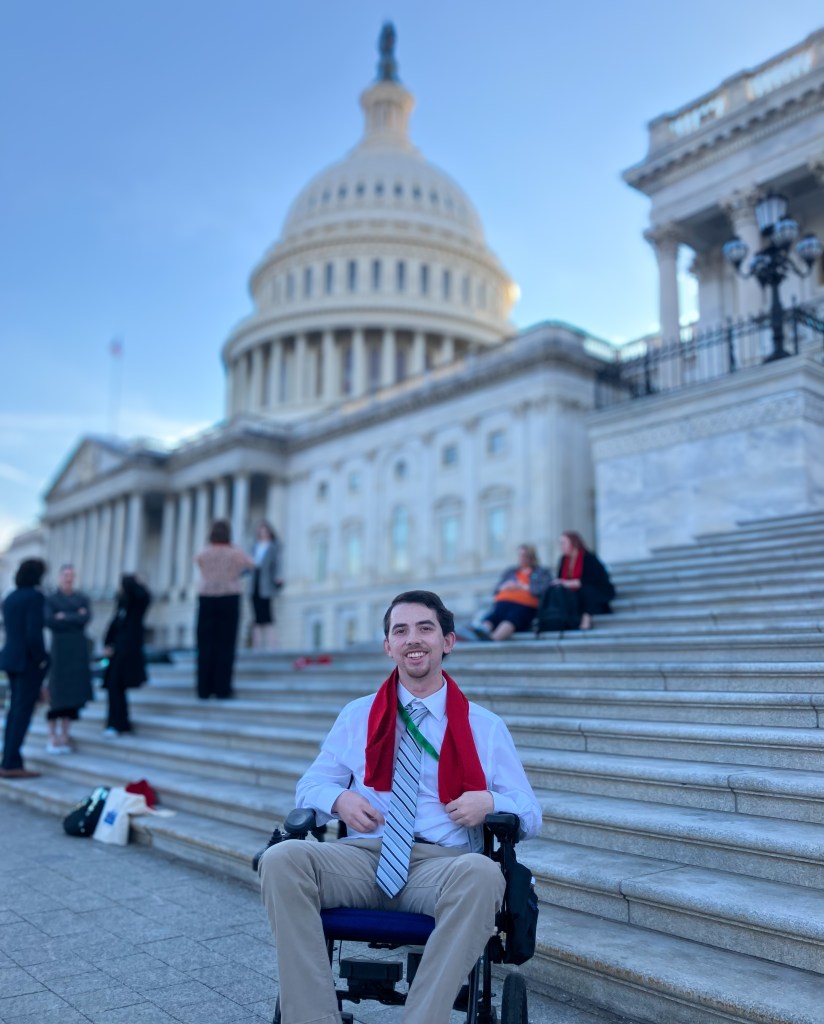
On the last week of February, I attended Rare Disease Week in Washington D.C., hosted by the EveryLife Foundation. Here’s what I learned from my experience:
Anxiety, nerves and uncertainty filled my head when my plane landed in Washington D.C. for Rare Disease Week. Nonetheless, I returned home knowing I was exactly where I was supposed to be.
Leading up to the trip, I battled many thoughts of inadequacy – I felt I lacked the knowledge on legislation necessary to speak effectively to congressman and the preparation to navigate a packed agenda of important events. There’s always a million reasons why not to pick up the phone. I don’t even have a good speaking voice. I’ll just let other people do it, they don’t need me. It’s too much work that no one is making me do.
Those voices disappeared once I got there. Some of the very things that caused me anxiety turned out to be the things that I accredit for making my advocacy more powerful.
The day before our meetings with congress, the EveryLife Foundation hosted an all-day event with the purpose of preparing us advocates to meet with our state representatives. They dove deep into important legislative asks that we could address in our meetings, brought up panelists and speakers to inform and motivate us, and gave us the opportunity to practice sharing what we had prepared to say in our meetings. I scrambled to write a word-for-word script on what to say, with rare disease “did you knows” and everything. I’ve always been one who likes to be prepared.
But in my first meeting the next day, I tossed that script to the DC breeze (which was surprisingly pleasant for this Bama boy). It turns out the words all came naturally. I confidently spoke to three Alabama House Representatives along with the offices of Senators Katie Britt and Tommy Tuberville about Friedreichs ataxia, how finding a diagnosis brought on years of confusion and frustration, and how I soon found hope in the research being done for FA by participating in clinical trials. I watched their faces light up when I told them that FA became one of 5% of rare diseases with an approved treatment on Rare Disease Day 2023.
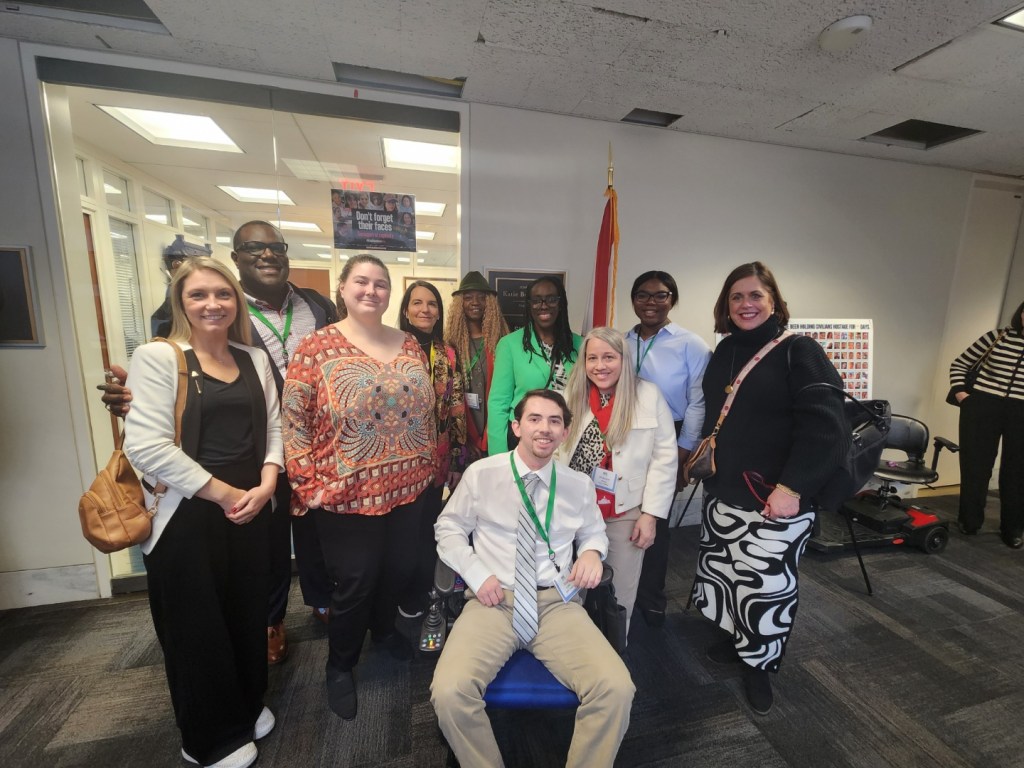
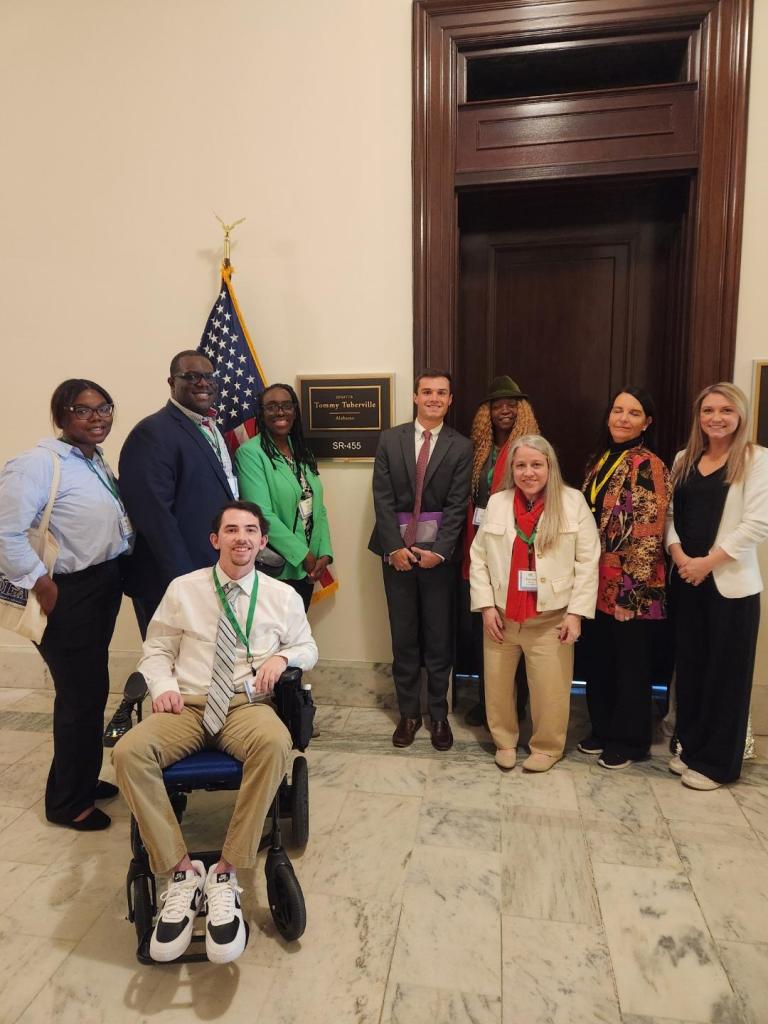
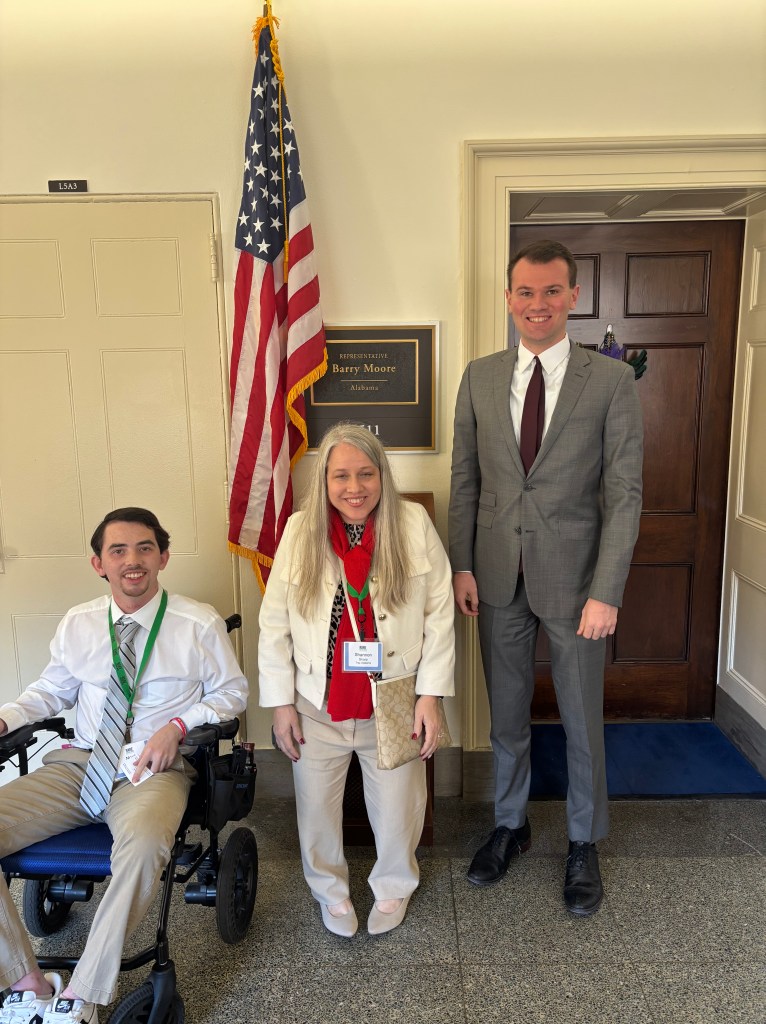
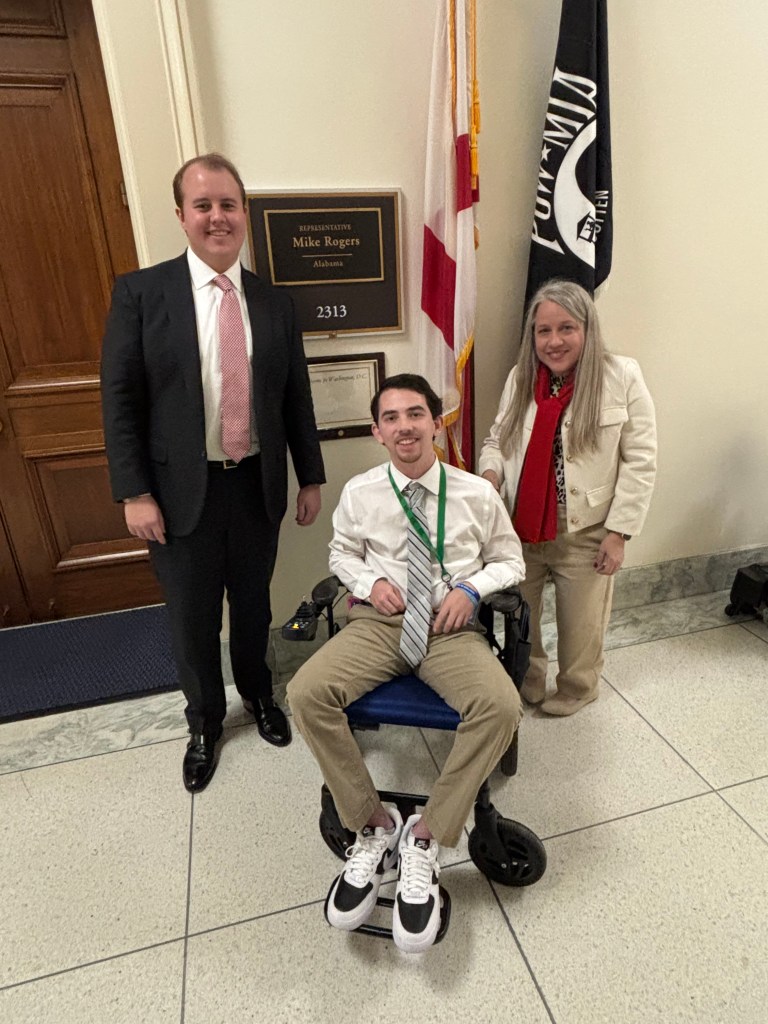
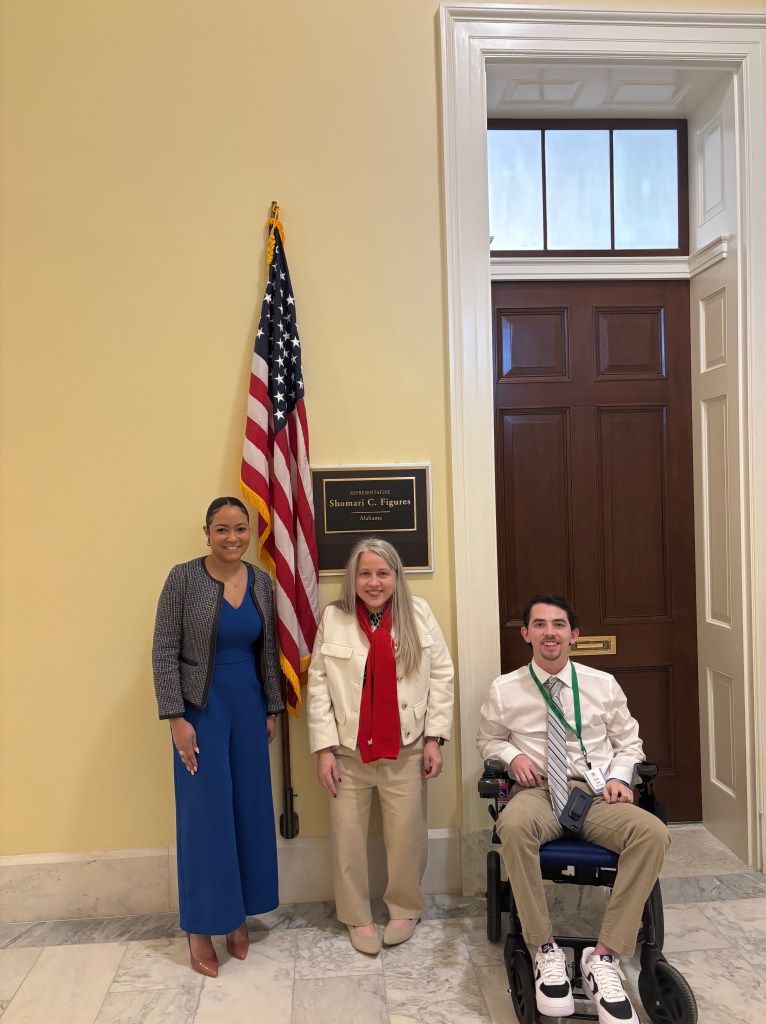
Once I caught their attention with the story of how that hope changed my outlook on a life with a rare disease, I made my legislative ask. See, to get that first crucial approval and to make it available to those ages 16+, we had the help of the Priority Review Voucher (PRV) Program for pediatric rare diseases. However, that program went out of act in December 2024. FARA recently submitted another FA treatment (to combat the first approved drug that slows disease progression) to the FDA last fall, but we desperately need that PRV program to accelerate the approval process for that treatment and many more like it, so we can find a cure for FA and a treatment for the 95% of rare diseases without one.
And the thing that’s vital is now they see first-hand why that program needs their vote. It truly helps bring hope to thousands of people’s lives and transforms communities – those like FARA and families of FA patients. Our first treatment is buying us time, but we still have work to do in order to build on our momentum that we need to be supported by our leaders, especially during a time when federal biomedical agencies are experiencing rapid cuts in funding and support for medical research.
Leaving those meetings, I felt like my message was well-received – bringing on a ginormous sigh of relief. It also made me feel a little silly for being so nervous – it all works out in the end, doesn’t it Noah? Even more so, it made me reconsider the things I viewed as setbacks going into the weekend.
Yes, my voice is weak and scratchy, but it perfectly compliments my story of persistence. Sure, I move slowly and grow fatigued throughout the day, but that only demonstrates my determination to be there. I was also worried about navigating unfamiliar places and buildings alone, but that problem was relieved by the presence of my uncle Matthew and the other FA advocates who quickly became good friends.
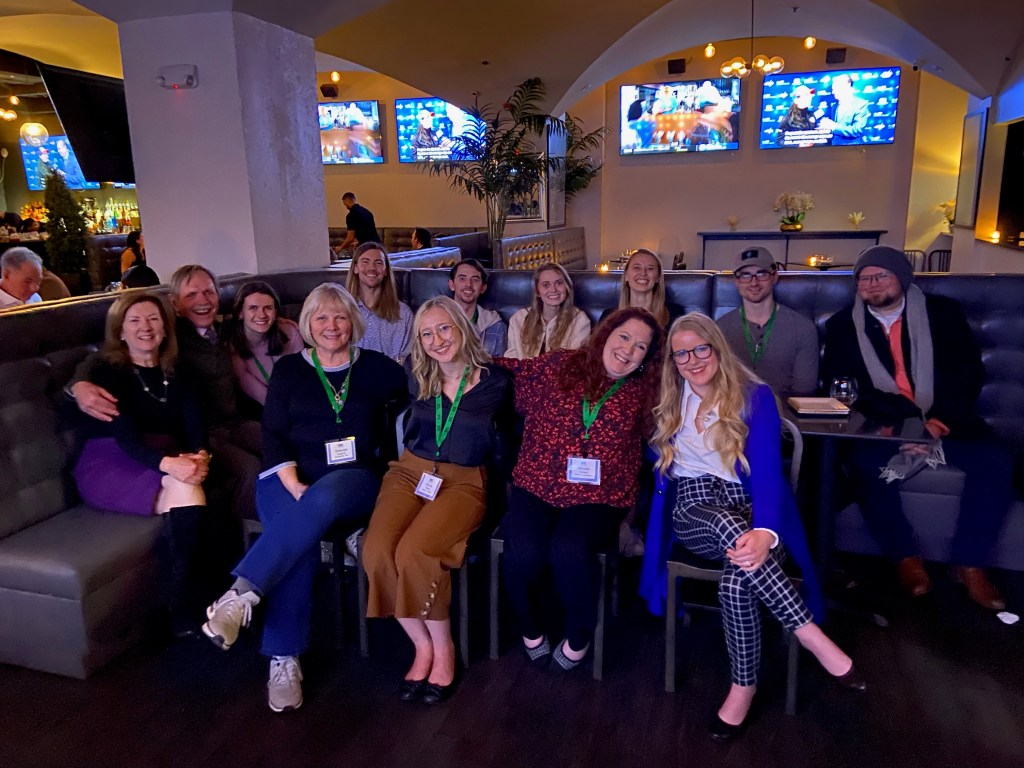
Sometimes all we need to do is show up with an open heart and an open mind, hushing the voices telling us why we can’t. It wasn’t that I had it all figured out or that I was the smartest or most accomplished person in the room, but I knew my story had a purpose, and I was bold enough to share it with vulnerability.
Everyone has weaknesses, but I think a purposeful life is found when we use those things to strengthen others. After all, many might consider FA to be my biggest weakness, but it gave me a platform to make an impact on my nation’s leaders.
“Perhaps some detours aren’t detours at all. Perhaps they are actually the path.”
Katherine Wolf
 Knowin' Noah
Leave a comment